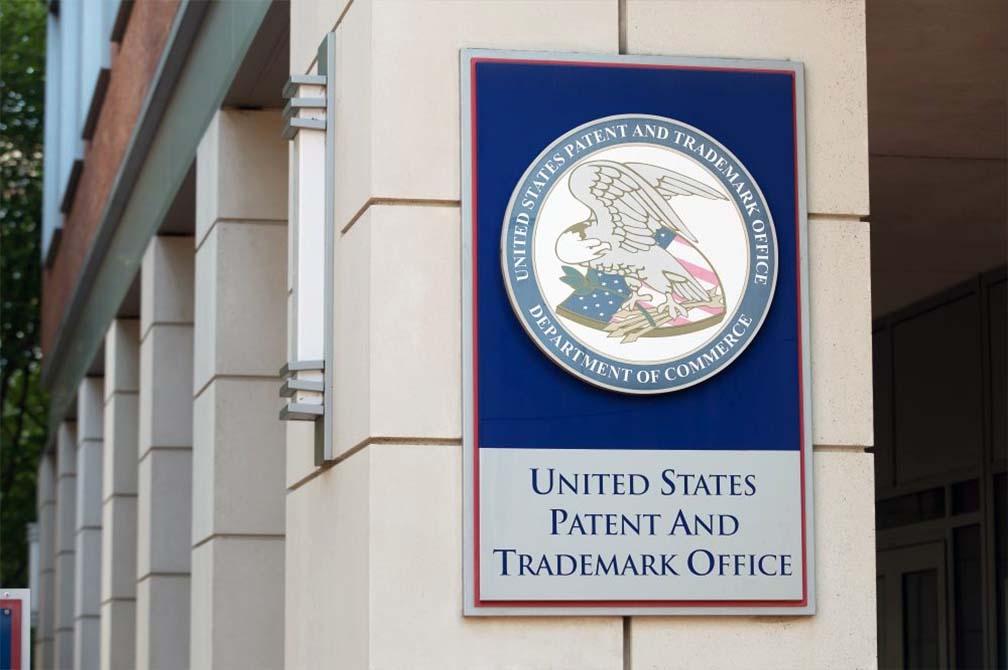


The proliferation of the Internet of Things (IoT) and 5G technologies has transformed Standard-Essential Patents (SEPs) into a highly weaponized asset class. For cross-border hardware manufacturers and global supply chains, navigating Fair, Reasonable, and Non-Discriminatory (FRAND) licensing commitments is no longer merely a negotiation exercise—it is a critical jurisdictional battleground.
Aggressive non-practicing entities (NPEs) and telecommunications giants increasingly leverage parallel multi-jurisdictional litigation to extract extortionate royalty rates. To counter these predatory tactics, defendants must move beyond reactive litigation and deploy structural defenses, specifically relying on the Smallest Salable Patent-Practicing Unit (SSPPU) methodology and preemptive Anti-Suit Injunctions (ASIs).
I. Dismantling the Entire Market Value Rule: The SSPPU Defense
A central dispute in SEP litigation is the royalty base. Aggressive licensors consistently push for royalties based on the Entire Market Value (EMV) of the end product (e.g., a $1,000 smart refrigerator), even when the patented technology only reads on a localized component (e.g., a $10 Wi-Fi chip).
Strategically enforcing the SSPPU methodology is essential to neutralizing these demands. The SSPPU doctrine mandates that the royalty base must be limited to the smallest hardware component that actually practices the patent, isolating the patented invention's value from the unpatented features of the end product. [1]
For cross-border manufacturers, embedding the SSPPU standard into early-stage invalidity and non-infringement contentions serves a dual purpose:
Drastic Reduction of Damages Exposures: It prevents licensors from taxing the downstream innovation of the final product. [2]
Evidentiary Leverage in Federal Court: U.S. federal courts have grown increasingly hostile to vague royalty calculations. Forcing the plaintiff to apportion value down to the SSPPU creates a rigorous evidentiary hurdle that often forces early, favorable settlements.
II. Countering Jurisdictional Arbitrage with Anti-Suit Injunctions (ASIs)
When facing SEP assertions, the venue dictates the leverage. Licensors often engage in "jurisdictional arbitrage," filing in plaintiff-friendly courts (such as the UK or Germany) that are willing to grant global FRAND rate determinations or issue immediate injunctive relief against non-compliant implementers. [3]
To prevent cross-border operations from being held hostage by foreign injunctions, implementing a proactive Anti-Suit Injunction (ASI) strategy in U.S. federal courts is a critical countermeasure.
An ASI allows a U.S. court to enjoin a foreign SEP holder from prosecuting parallel infringement actions or enforcing injunctions in foreign jurisdictions while the U.S. court determines the global FRAND rate. [4]
Strategic Deployment of ASIs requires:
The "Race to the Courthouse": Filing a declaratory judgment action for a FRAND determination in a U.S. district court before the foreign entity can secure an injunction abroad.
Demonstrating Vexatious Litigation: Establishing that the foreign proceeding is merely a coercive tactic designed to bypass the U.S. court's jurisdiction over the licensing dispute.
III. Strategic Takeaways for Cross-Border Manufacturers
Relying on generic defense strategies in SEP disputes is a recipe for cascading liabilities. We engineer defense architectures based on the following principles:
Audit Before Assertion: Identify the exact SSPPU within your supply chain architecture long before a demand letter arrives.
Jurisdictional Primacy: Be prepared to strike first. Filing a preemptive declaratory judgment in a U.S. federal court can strip an aggressive licensor of their European injunction leverage.
Strict Neutrality: Engage in FRAND negotiations with strict, documented boundaries to avoid any inadvertent "admission of liability" or "unwilling licensee" designation, which could be weaponized in later court proceedings.
Citations & Legal Precedents
[1] LaserDynamics, Inc. v. Quanta Computer, Inc., 694 F.3d 51, 67 (Fed. Cir. 2012) (holding that where small elements of multi-component products are accused of infringement, the royalty base must be tied to the smallest salable patent-practicing unit to avoid capturing unpatented value).
[2] TCL Commc’n Tech. Holdings Ltd. v. Telefonaktiebolaget LM Ericsson, 943 F.3d 1360 (Fed. Cir. 2019) (vacating a district court's FRAND royalty determination due to improper methodologies that failed to apportion value correctly).
[3] Unwired Planet International Ltd v Huawei Technologies Co Ltd, [2020] UKSC 37 (Supreme Court of the United Kingdom affirming that English courts have the jurisdiction to set global FRAND rates and grant injunctions against implementers who refuse them).
[4] Microsoft Corp. v. Motorola, Inc., 696 F.3d 872 (9th Cir. 2012) (affirming an anti-suit injunction preventing Motorola from enforcing a German patent injunction while the U.S. district court resolved the underlying breach of contract claim regarding FRAND commitments).